
Physiotherapy for Jaw Pain, Clicking and TMJ Dysfunction

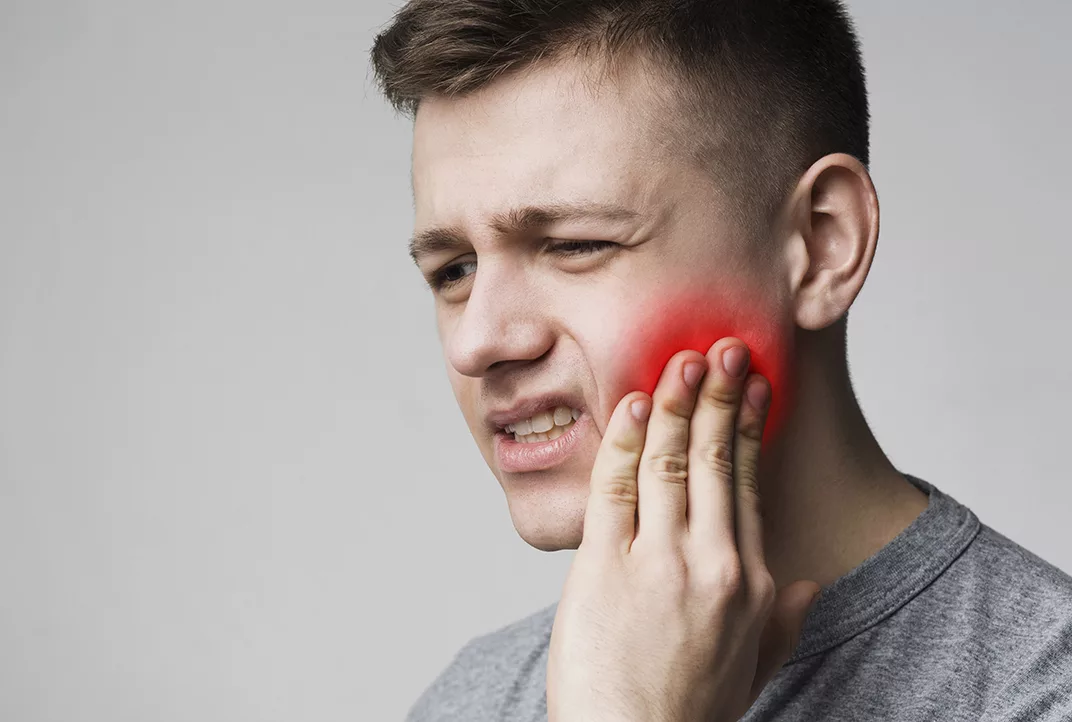
Temporomandibular joint dysfunction (TMJD) and Temporomandibular dysfunction (TMD) disorders can cause jaw pain, clicking or popping sounds, headaches, and difficulty chewing or speaking. Symptoms may be linked to factors such as stress, poor posture, sleep habits, teeth clenching or grinding, dental alignment issues, or prolonged dental and orthodontic procedures.

Our personalized physiotherapy approach helps reduce pain, restore normal jaw function, and address the factors contributing to TMJD/TMD dysfunctions, whether symptoms are related to stress, jaw mechanics, posture, or recovery after a dental procedure.

Book an Appointment →

TMJ dysfunction expertise
Personalized treatment plans
Located next to Lionel-Groulx metro station
Common Reasons for Consultation

TMJ disorders can affect the jaw joint, surrounding muscles and nearby structures such as the neck and head. Symptoms may develop gradually or appear following injury, stress or repetitive strain, including prolonged dental procedures.

What Our Patients Say

Nothing speaks louder than the experiences of the people we’ve had the privilege to help. Their feedback reflects the attention and commitment we bring to every treatment plan.

⭐ 360+ Reviews

Trusted by patients across Montreal

🩺 Personalized Care

Treatment tailored to your goals

📍 Experienced Team

40+ years of combined experience

💚 Patient-Centered Approach

Focused on long-term outcomes

What to Expect

Your journey to recovery follows a structured, supportive approach:

Potential Benefits of Treatment

TMJ physiotherapy may help you:

Meet Your Therapist

Azita Papaie

Azita Papaie provides individualized physiotherapy treatment for temporomandibular joint dysfunction, jaw pain and related musculoskeletal conditions. Her evidence-based approach focuses on identifying contributing factors and creating personalized treatment plans that support lasting improvements in comfort and function.

Read Full Bio

Find Relief from Jaw Pain and TMJ Symptoms

Jaw pain, headaches and TMJ dysfunction can interfere with eating, speaking and daily comfort. Physiotherapy can help reduce symptoms, improve jaw function and support long-term recovery.

Check mark Generic Flat icon | Freepik Insurance receipts Check mark Generic Flat icon | Freepik Personalized care Check mark Generic Flat icon | Freepik TMJ disorder expertise

Clinic Address

3287 Rue Saint-Jacques O – Suite #100
Montreal, Quebec H4C 1G8

Phone number: 514-995-2997

Book an Appointment →

FAQ

Frequently Asked Questions About TMJ Dysfunction Treatments

Every situation is unique.
If you have additional questions about symptoms, treatment, or what to expect, don’t hesitate to reach out. We’re here to help.

Contact Us →
What are your consultation rates?

Our current rates are always available on our online booking platform.

If you’re unsure which appointment type is right for you, feel free to contact us and we’ll be happy to help you choose the most appropriate option for your needs.

No, a doctor referral is not required to see a physiotherapist for TMJ treatments.

If you have undergone surgery, it is helpful to provide a referral note from your surgeon outlining any specific post-operative recommendations or restrictions.

Most insurance plans cover physiotherapy services. We provide receipts for insurance reimbursement. Check your specific plan for coverage details.

In some cases, yes. Virtual physiotherapy appointments can be an effective option depending on your condition and symptoms. We can assess your situation and determine whether a video consultation is appropriate or if an in-person visit would be more beneficial.

If you are interested in virtual care, please contact our clinic to discuss the available options.

TMJD disorders refer to a group of conditions affecting the temporomandibular joint. 

TMD disorders include the temporomandibular region’s surrounding muscles and structures.

Common symptoms include jaw pain, clicking, stiffness, headaches and difficulty opening or closing the mouth. 

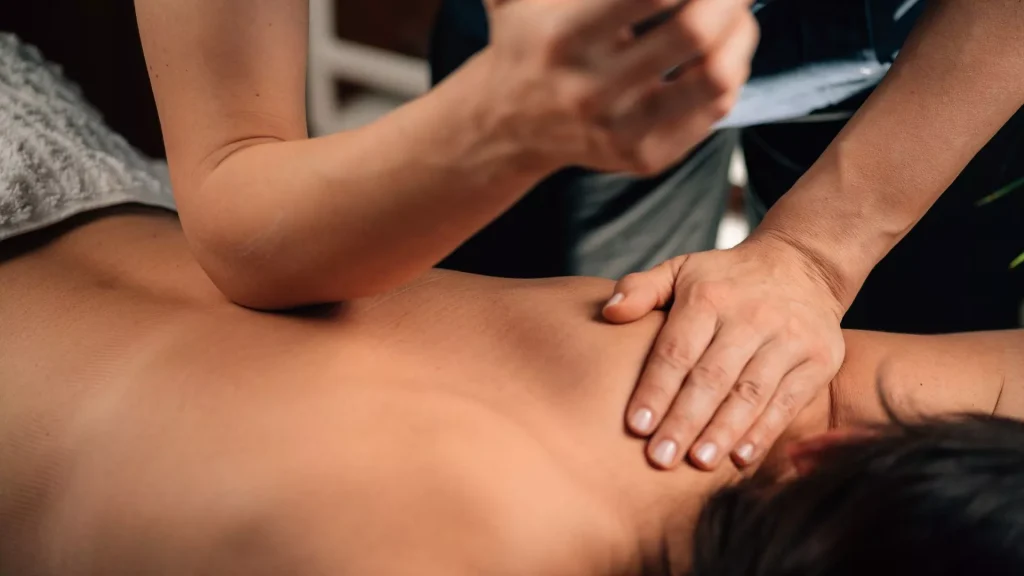
Your first visit includes a comprehensive assessment where we discuss your medical history, symptoms, and goals. We’ll perform a physical examination (with your consent) and create a personalized treatment plan.

TMJ disorders can result from jaw injury, dental procedures, arthritis, teeth grinding, muscle tension, postural dysfunction or excessive stress on the jaw joint. In many cases, several factors contribute simultaneously.

Yes, physiotherapy can help reduce pain, improve jaw mobility, decrease muscle tension and address contributing factors such as posture, poor stress management, neck dysfunction and movement habits.

Jaw clicking is often related to changes in the movement of the jaw joint or surrounding structures. While clicking is not always painful, an assessment can help determine whether treatment may be beneficial.

Yes. Tension in the jaw muscles and dysfunction within the temporomandibular joint can contribute to headaches, facial pain and discomfort around the temples.

Yes. Stress can increase jaw clenching, teeth grinding and muscle tension, which may aggravate TMJ symptoms and contribute to ongoing discomfort.

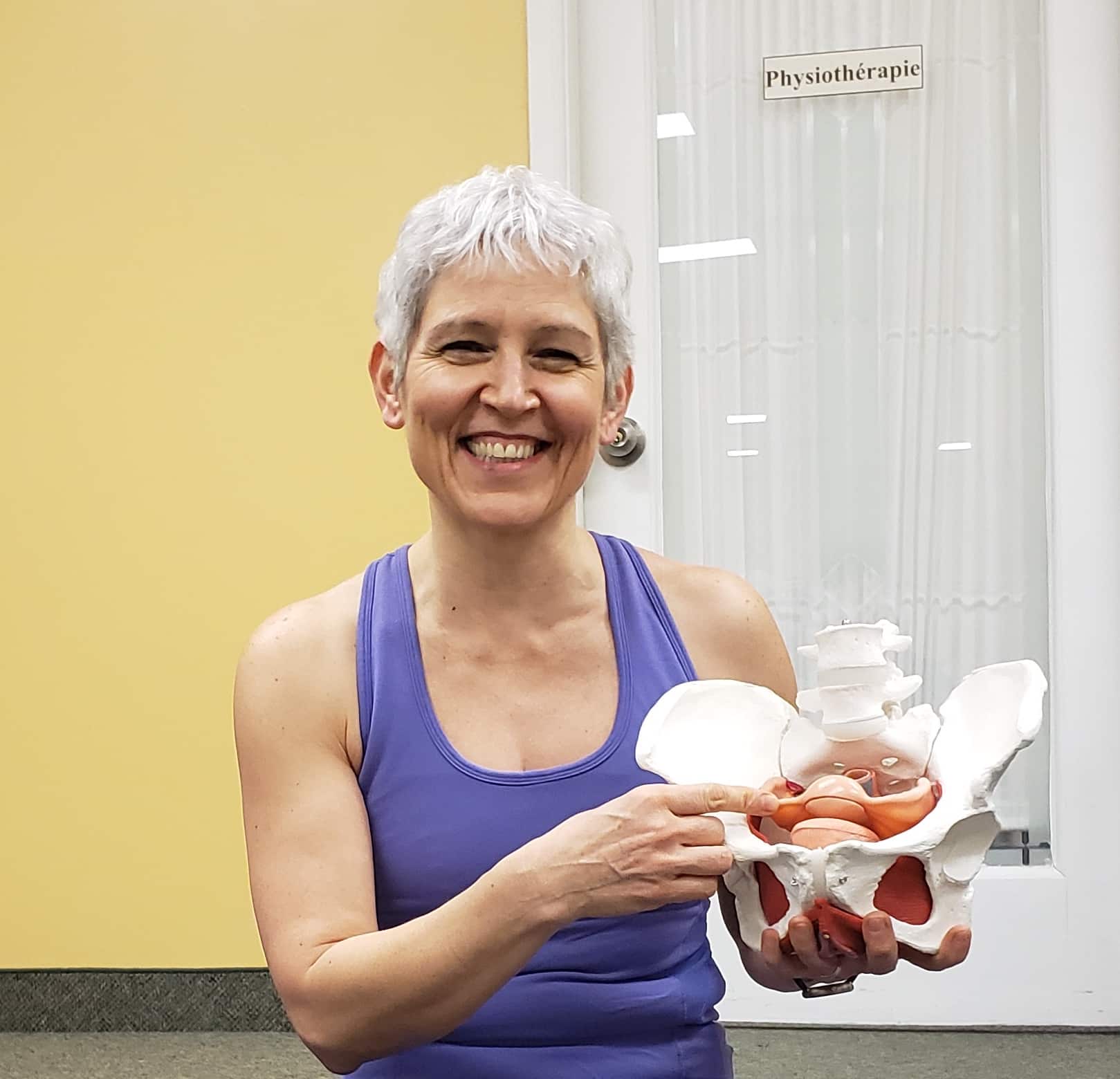
Emerging research suggests that TMJ disorders and pelvic floor dysfunction may share common muscular, neurological and stress-related mechanisms. Studies have observed associations between jaw tension and pelvic floor muscle tension, highlighting the importance of considering the body as an interconnected system.

Wear comfortable, loose-fitting clothing.